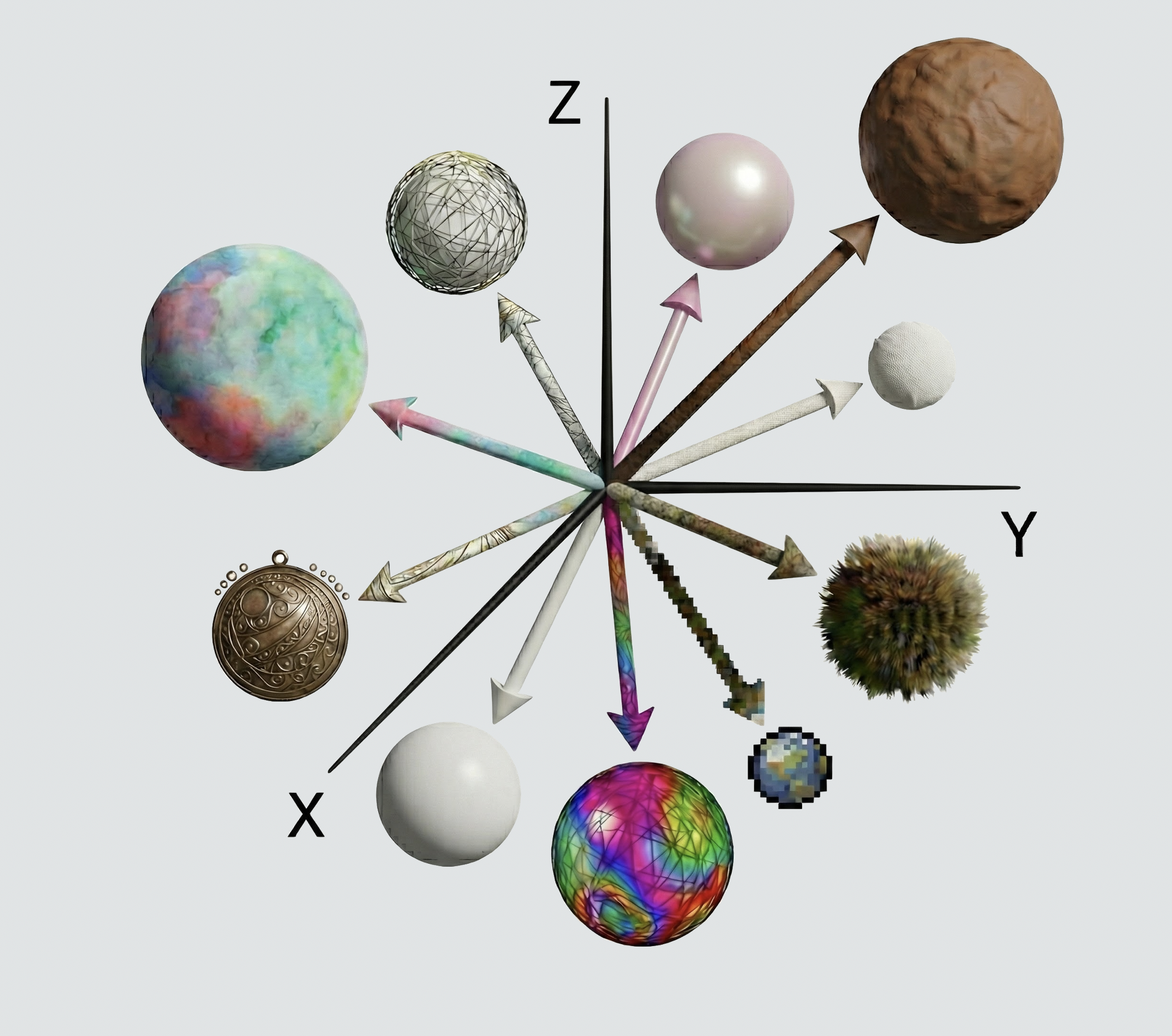
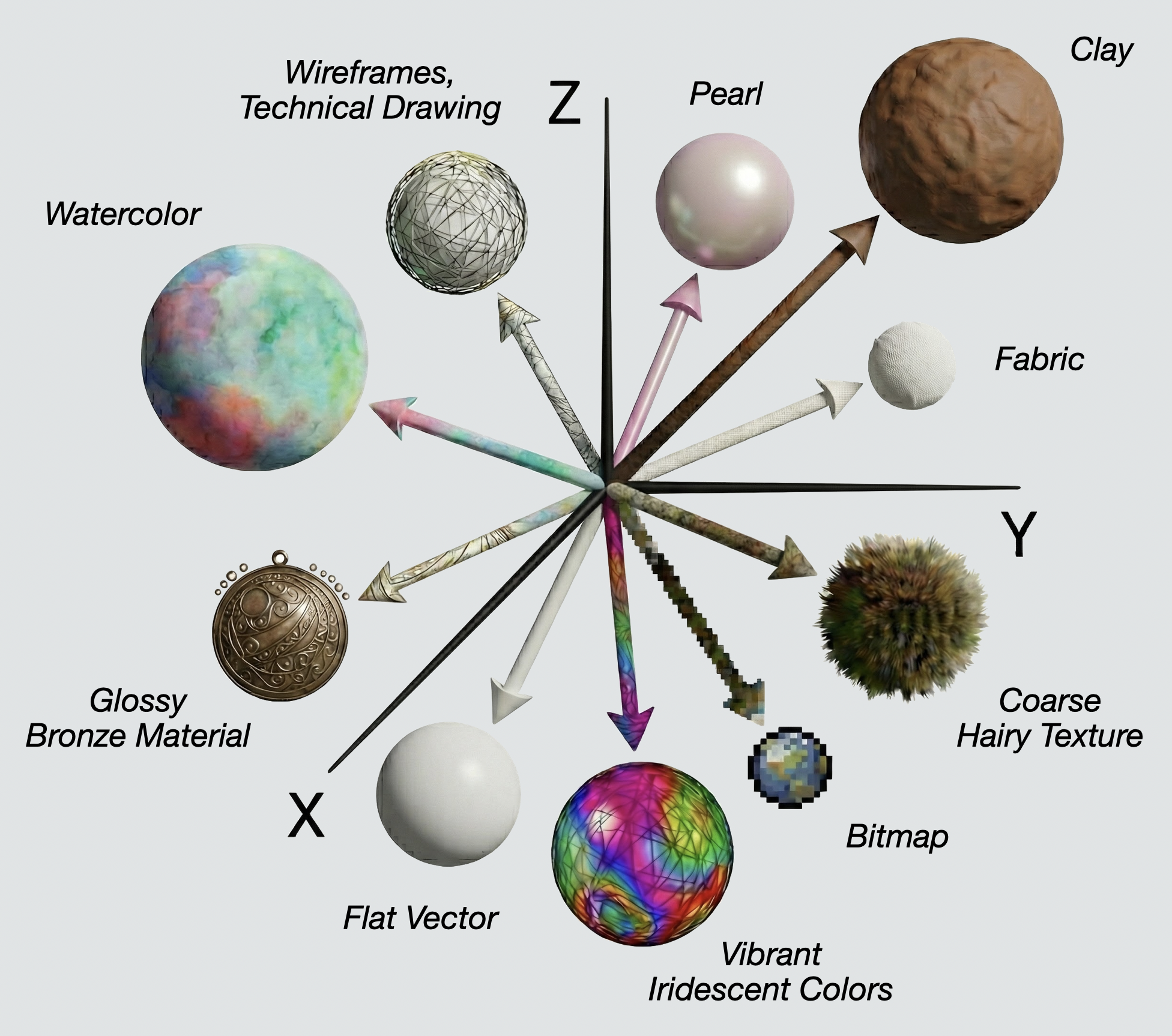
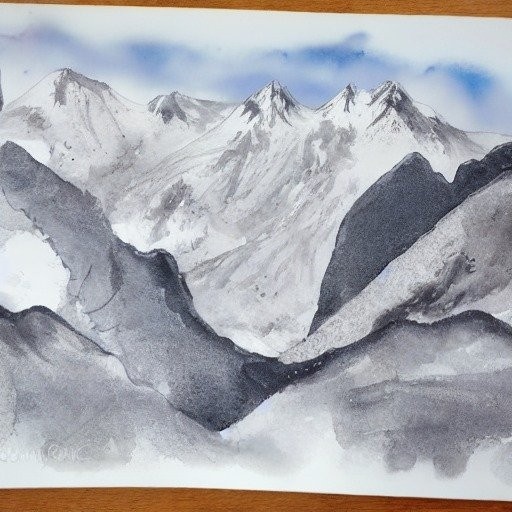
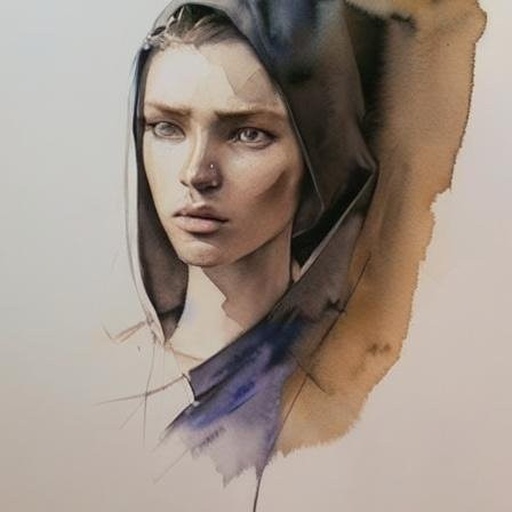
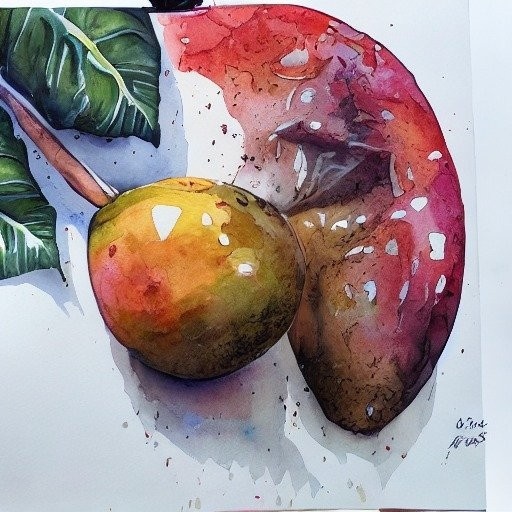
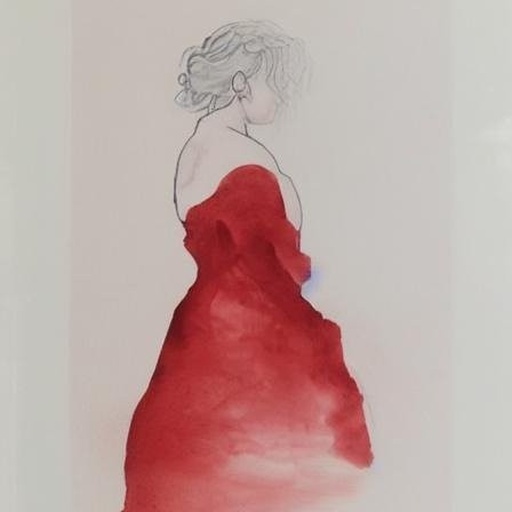
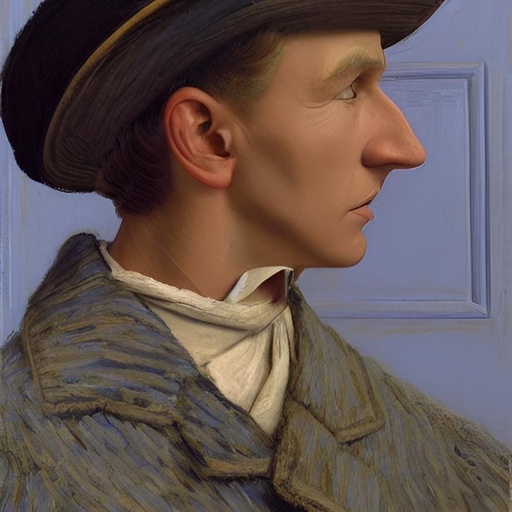
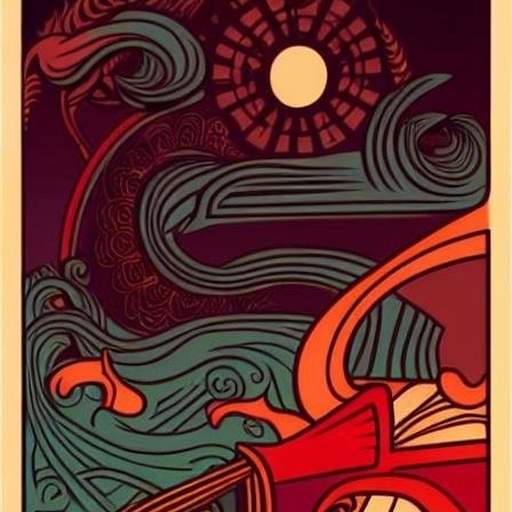
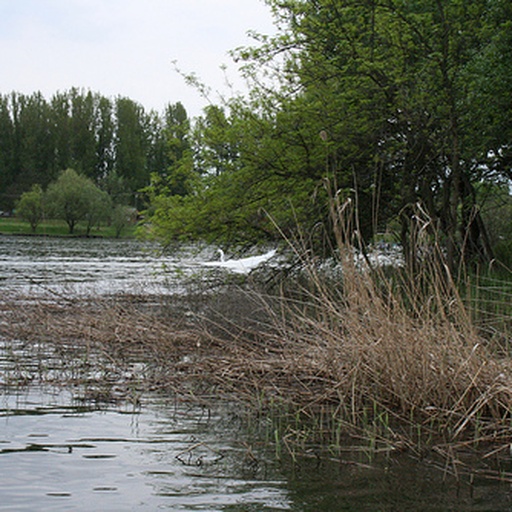
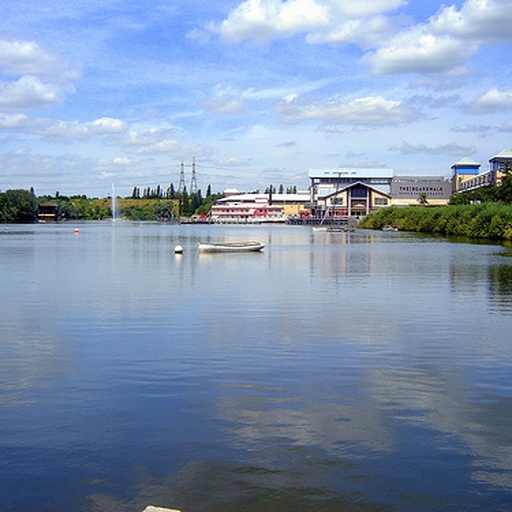
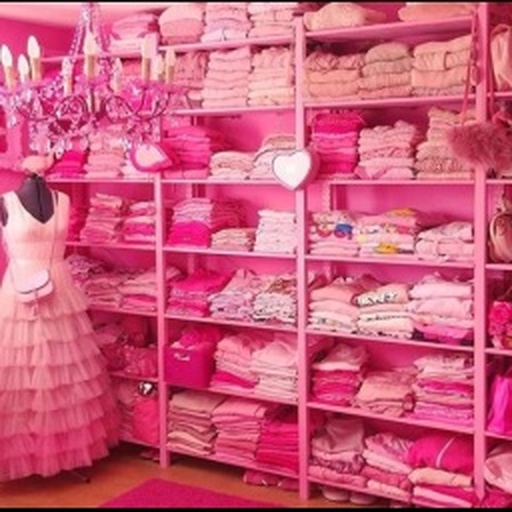
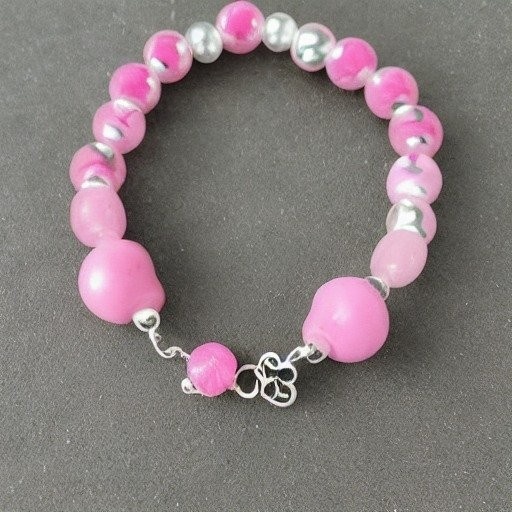
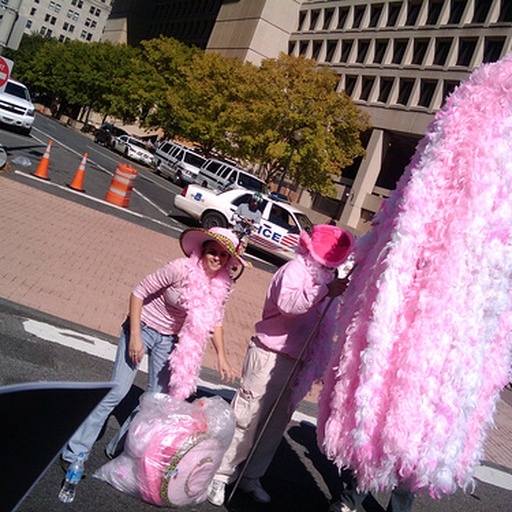
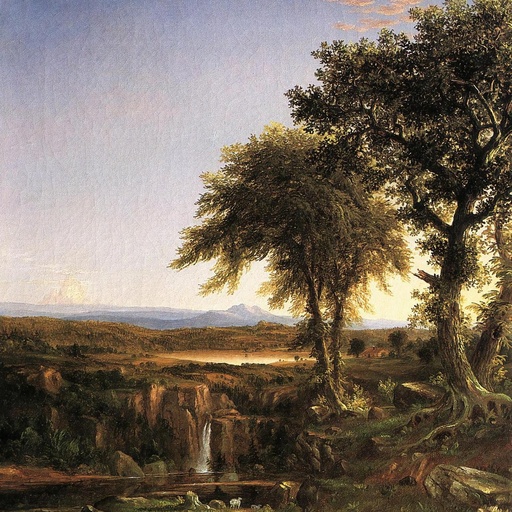
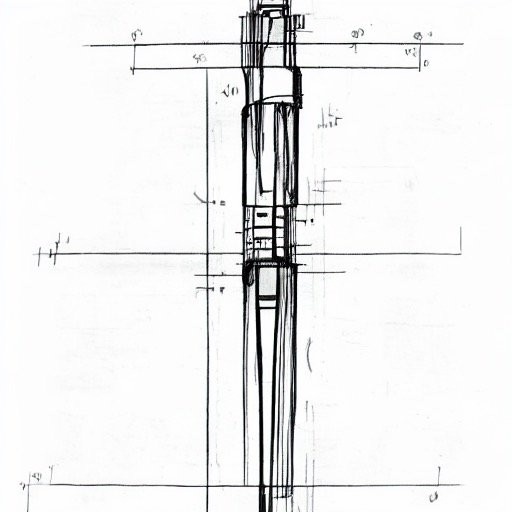
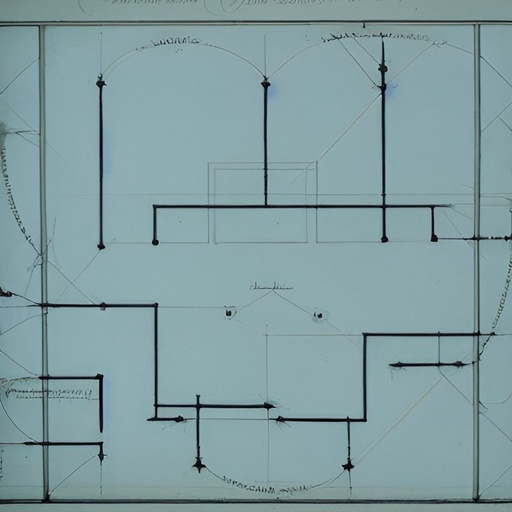
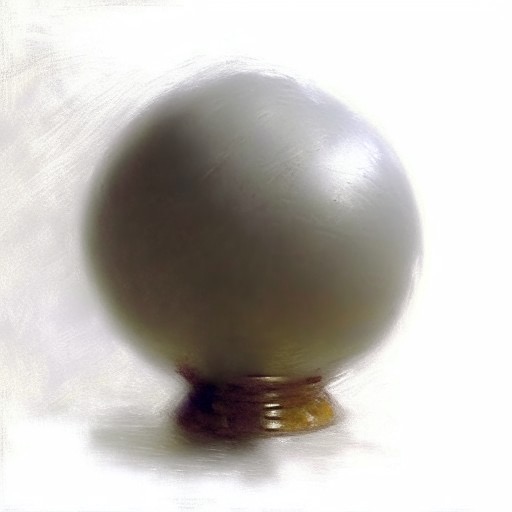
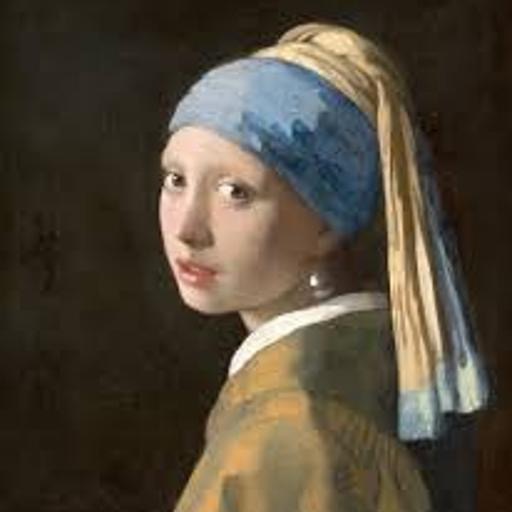
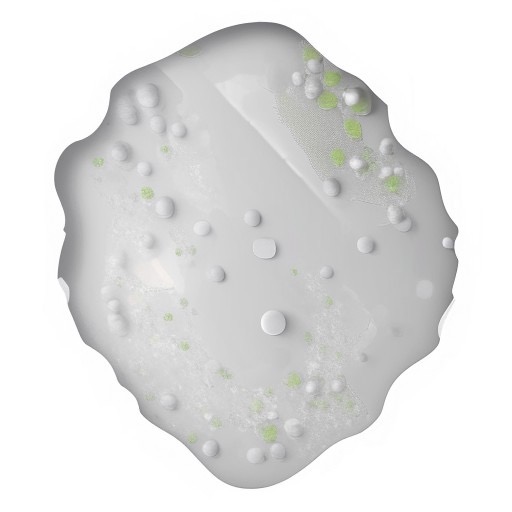
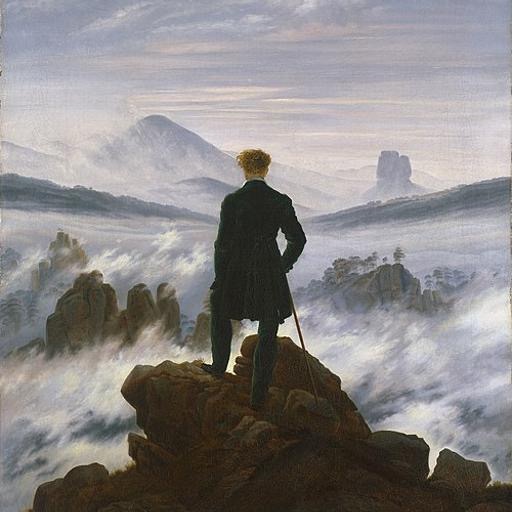
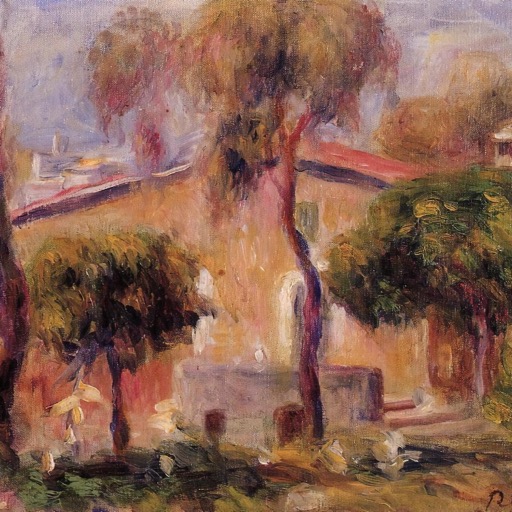
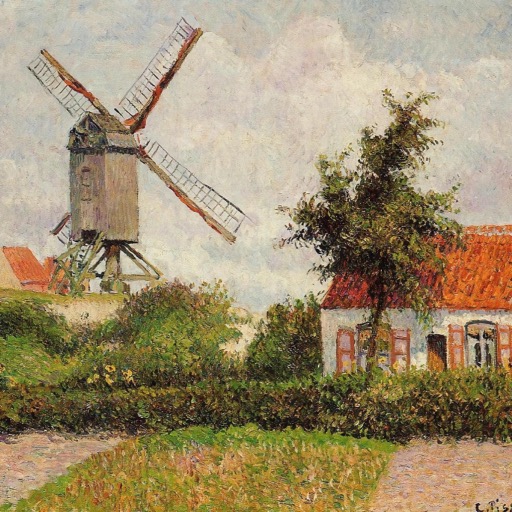
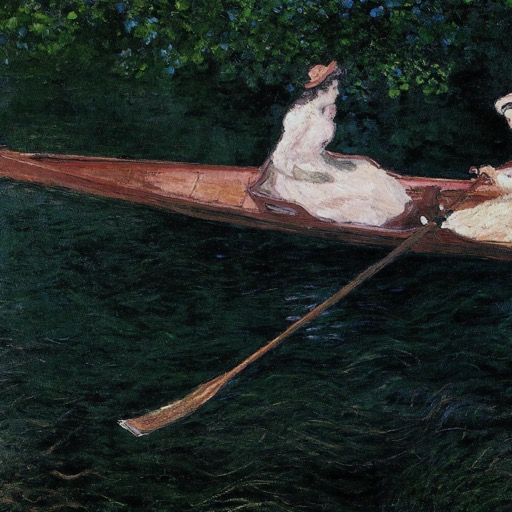
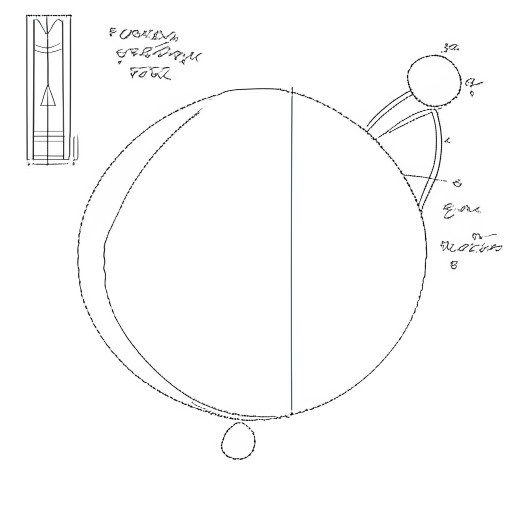
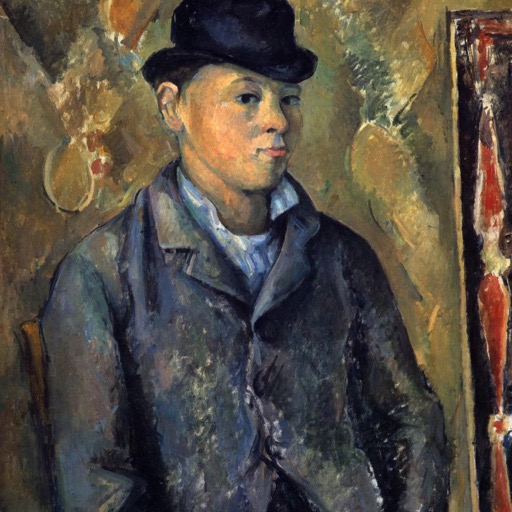
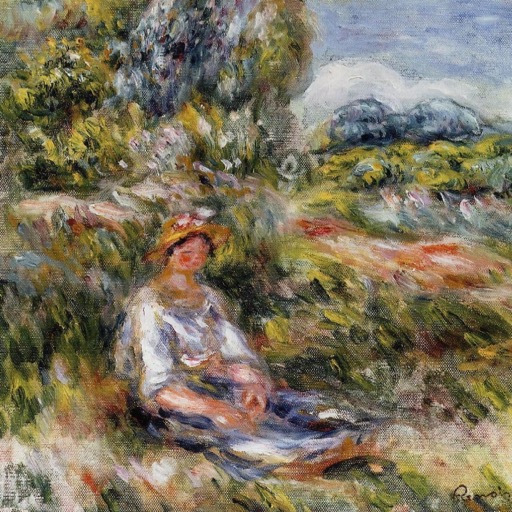
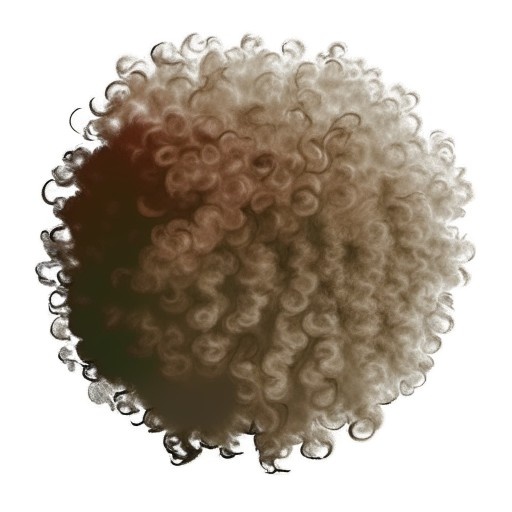
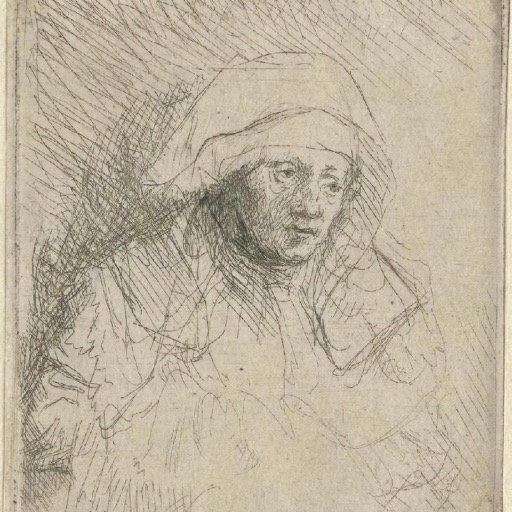
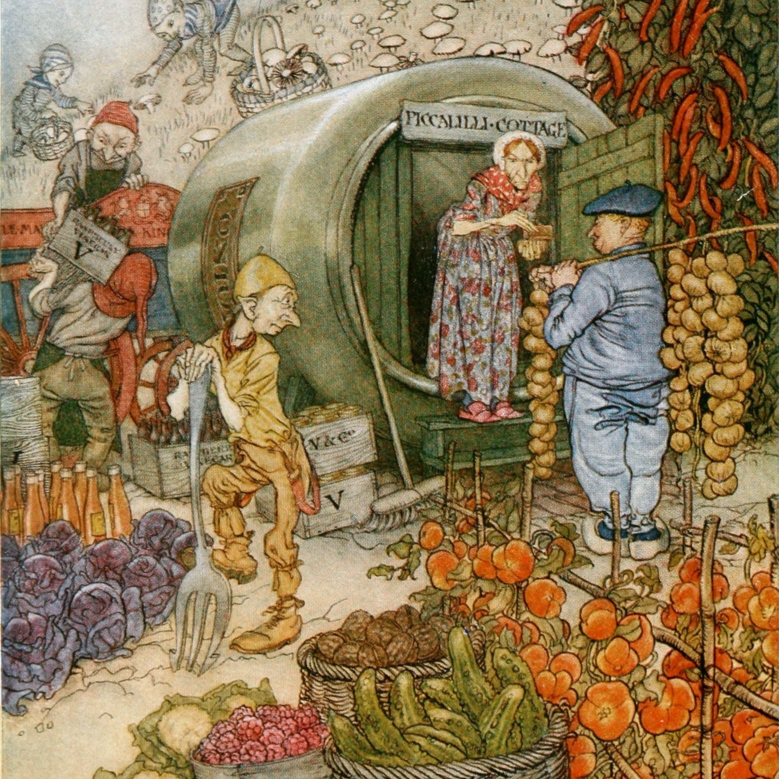
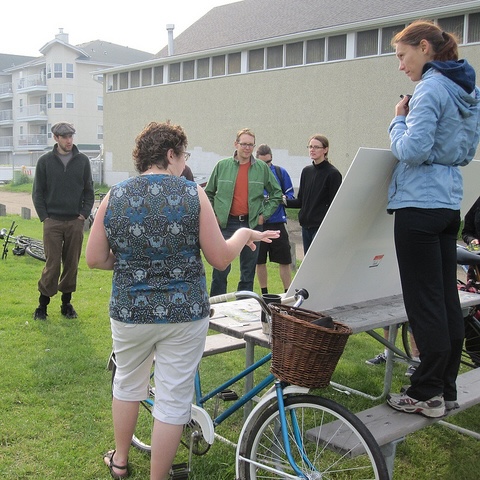
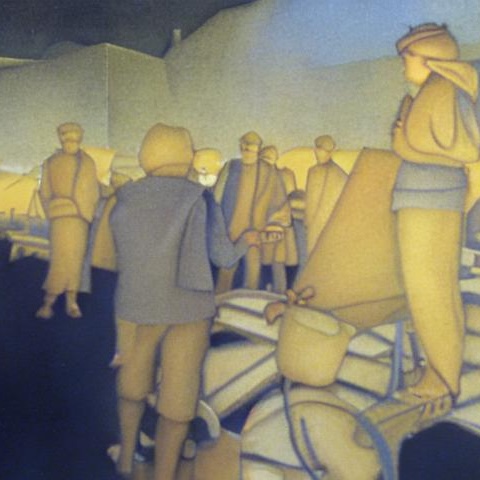
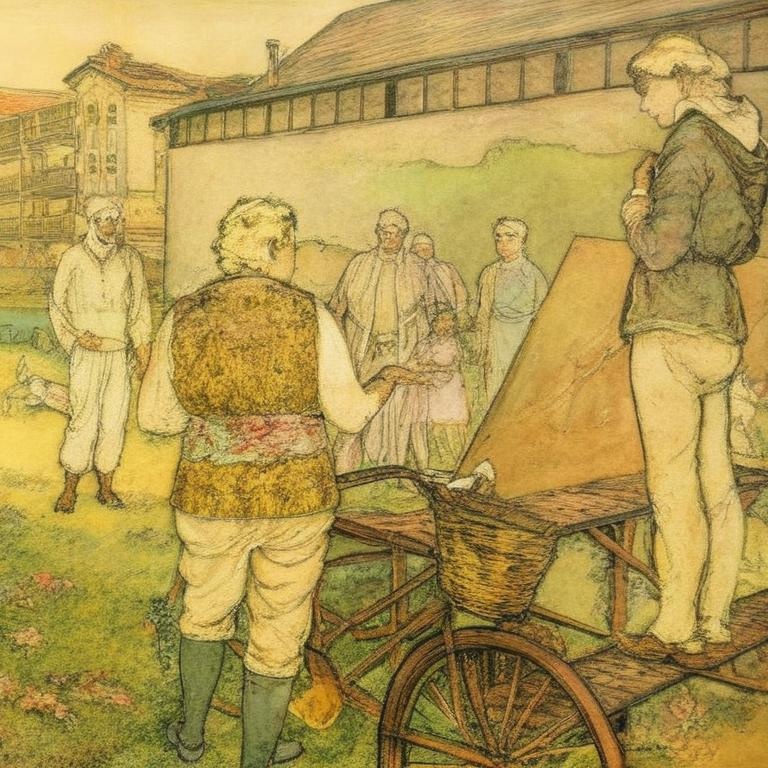
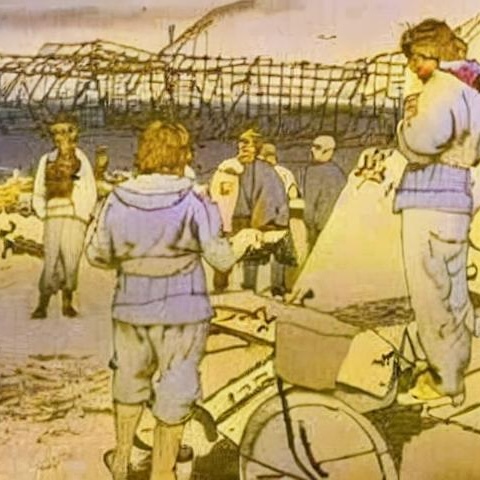
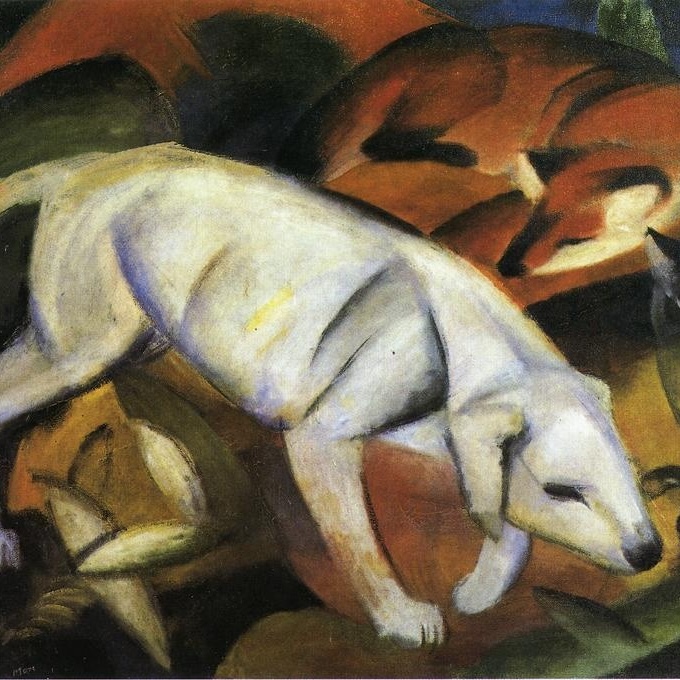
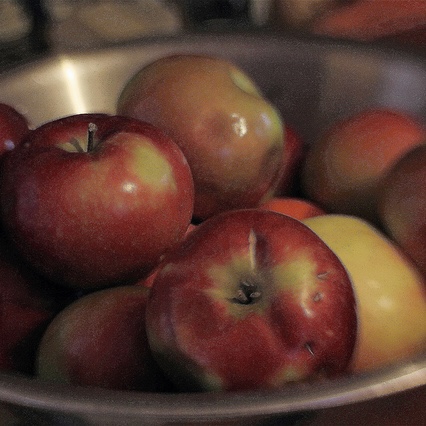
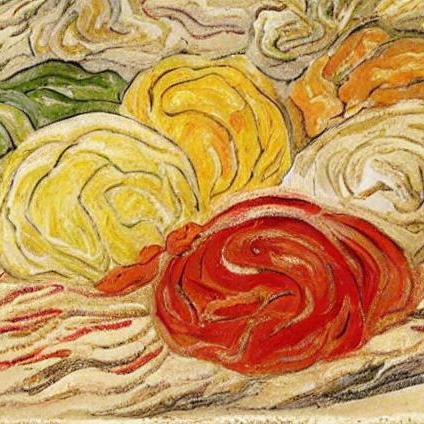
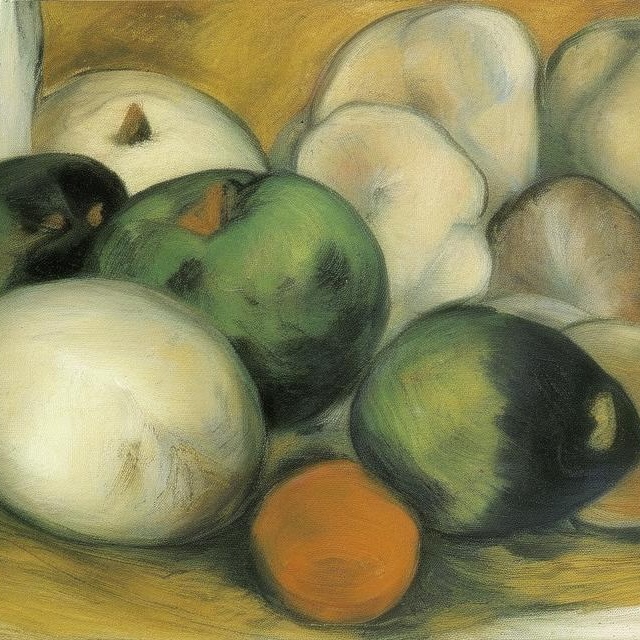
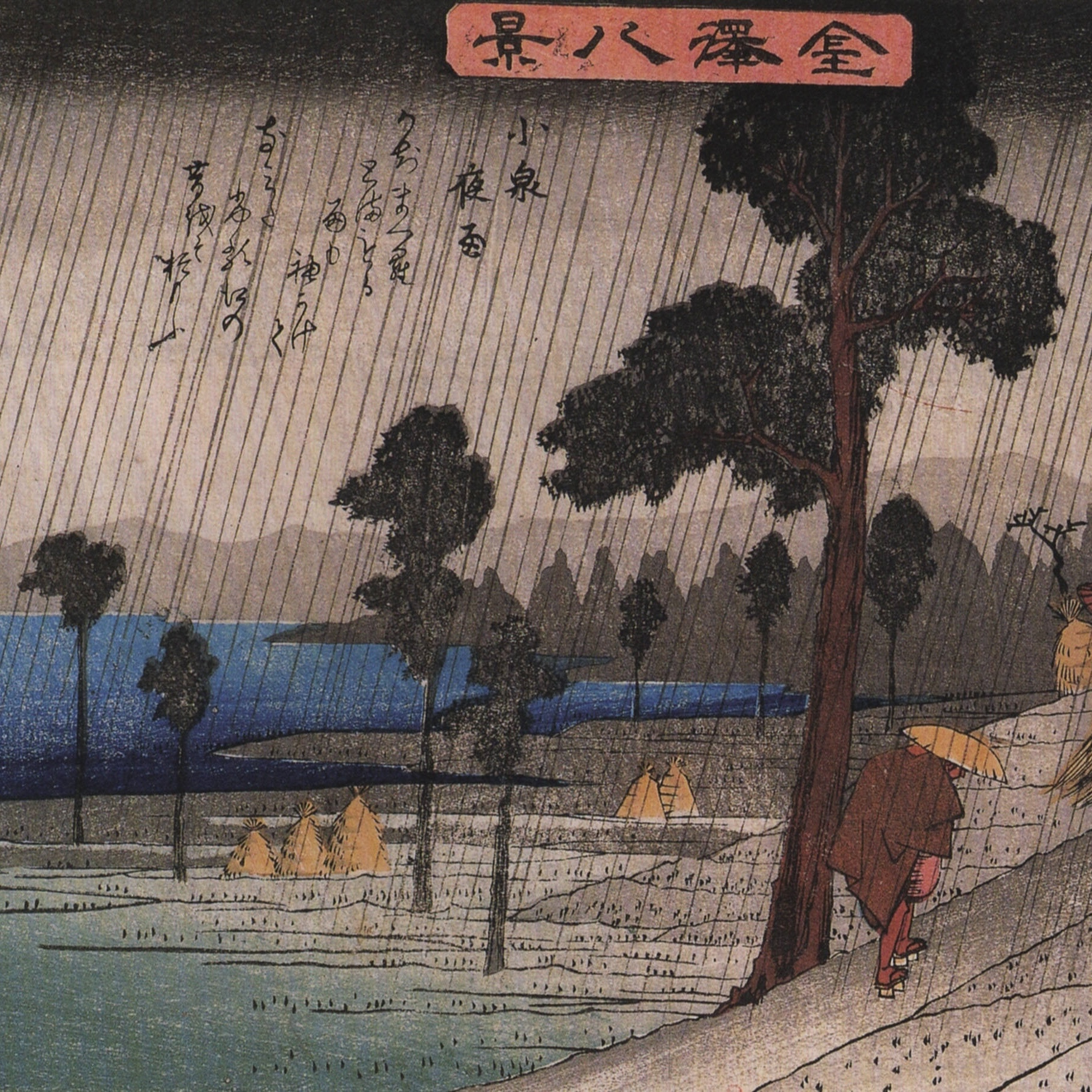
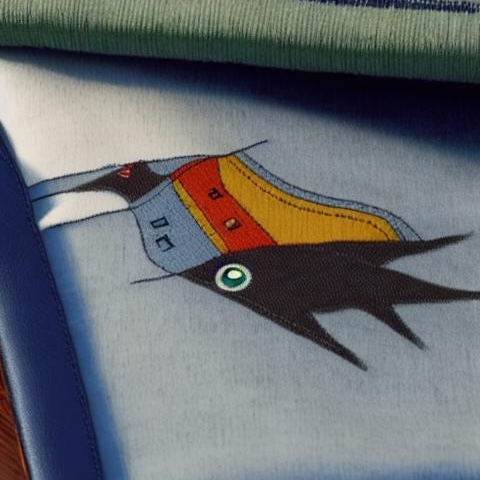
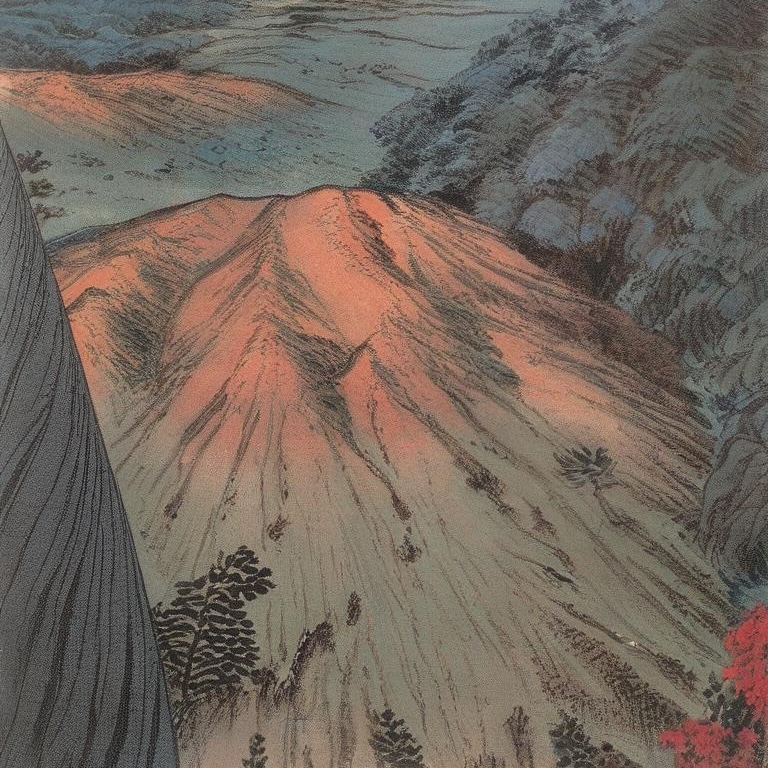
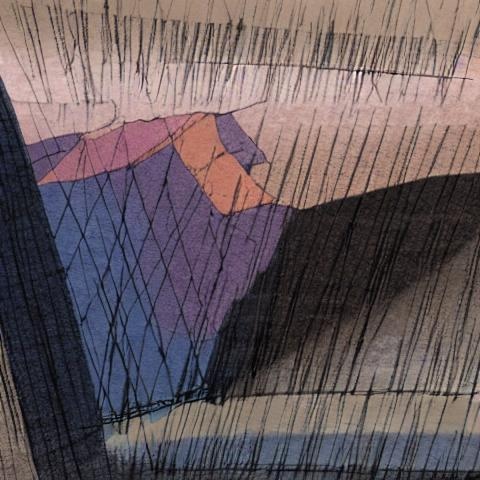
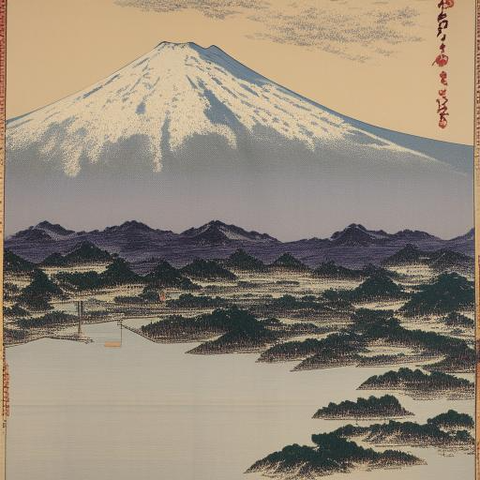
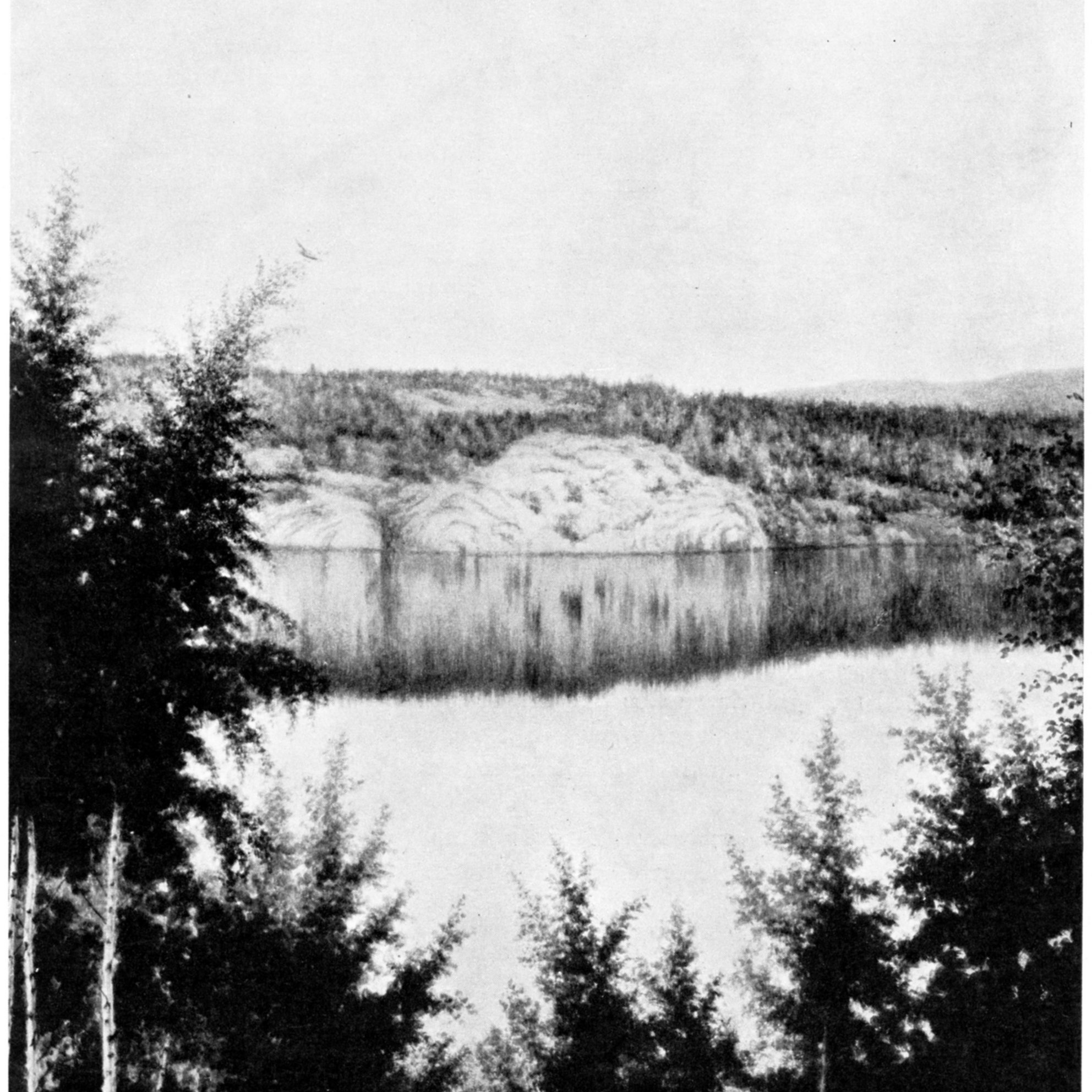
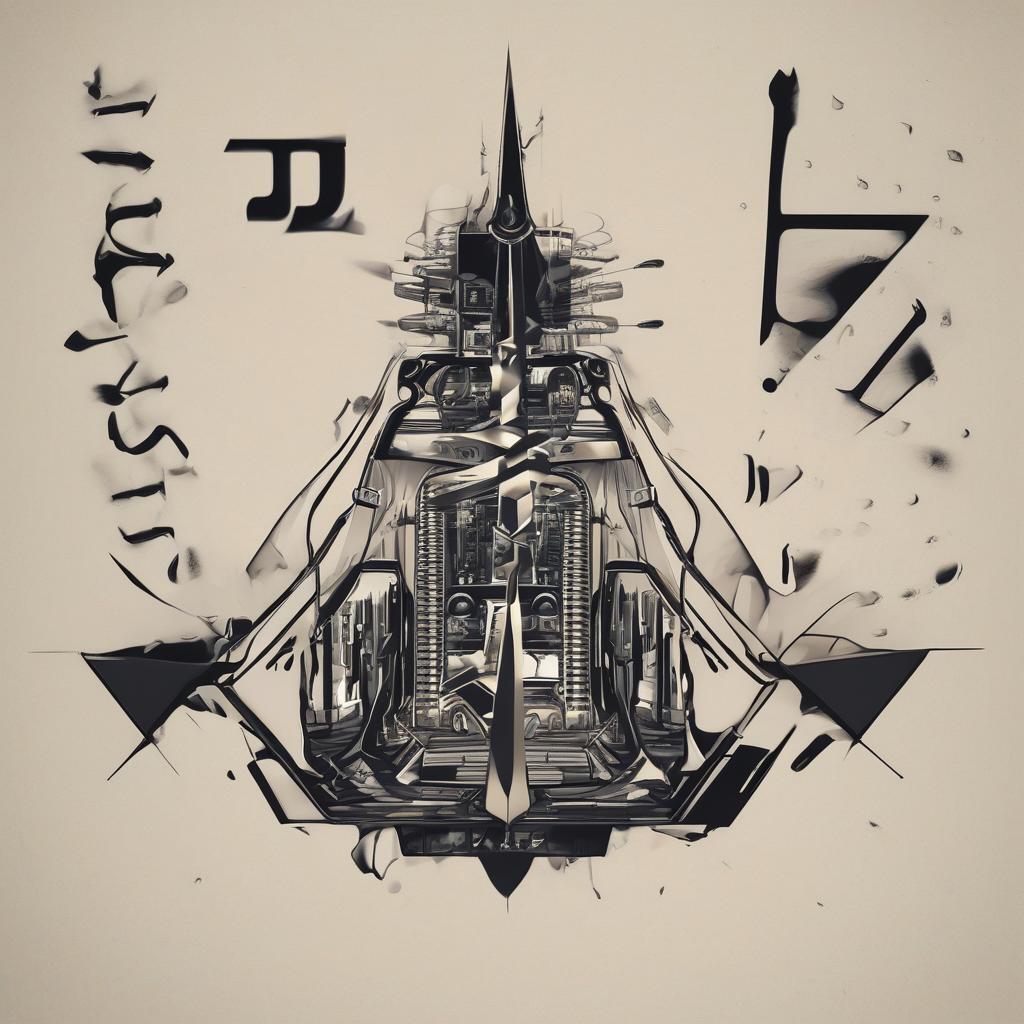
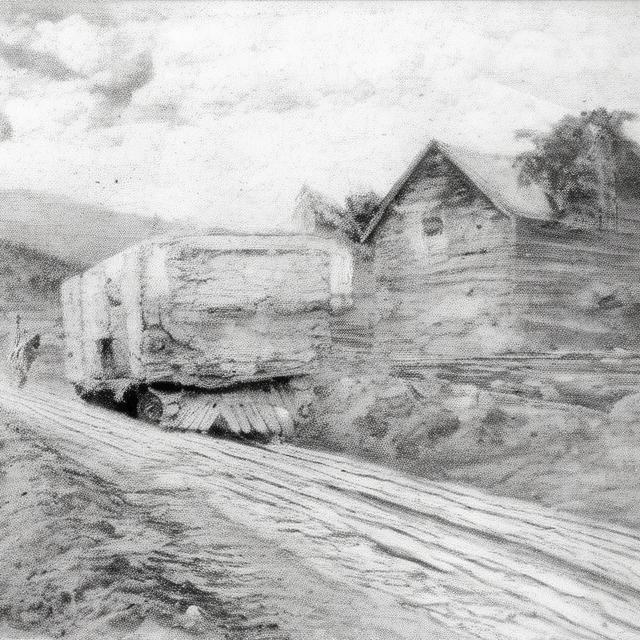
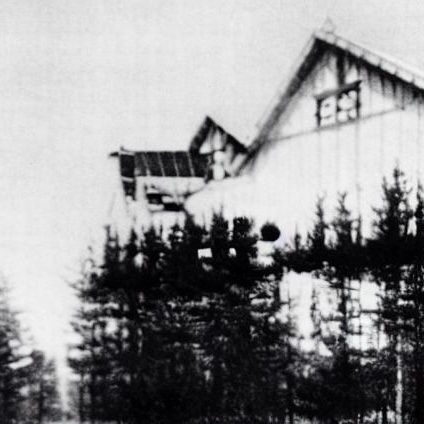
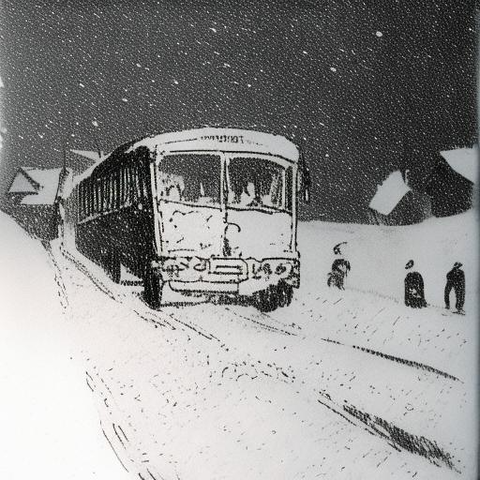
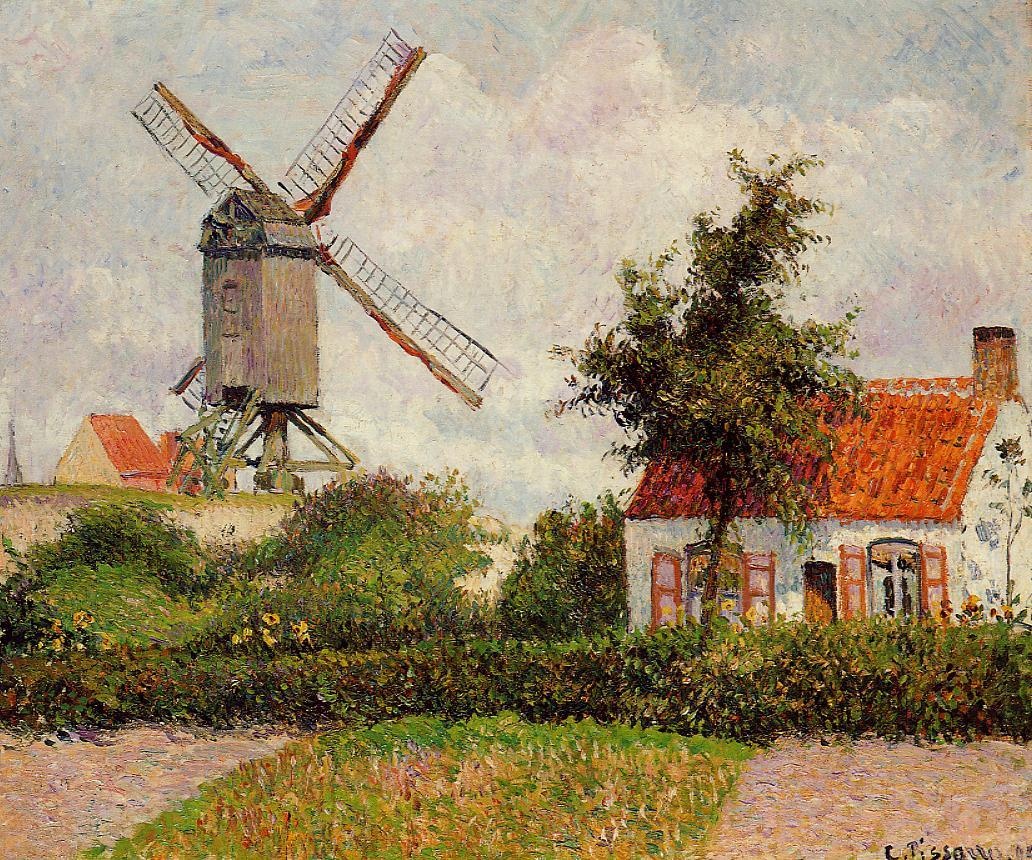
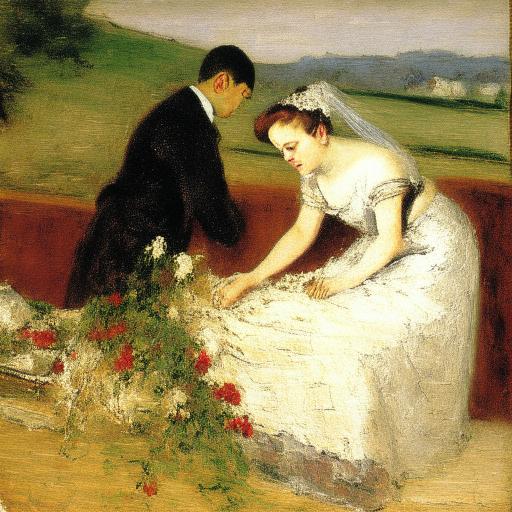
We introduce LouvreSAE, an interpretable style representation and style transfer method that utilizes sparse autoencoders to decompose CLIP embeddings into steerable art- and style-specific concepts like brushwork and texture (shown on the right). By constructing "style profiles" from recurring activations, our approach injects aesthetic attributes directly into pre-trained diffusion models without fine-tuning. Validations on ArtBench10 show LouvreSAE outperforms SOTA baselines on style fidelity while offering granular control and 1.7-20x faster inference.
Artistic style transfer in generative models remains a significant challenge. Existing works often lack a rigorous definition of style and style transfer, and introduce methods that utilize fine-tuning, adapters, or prompt engineering, all computationally expensive approaches that may entangle style with other undesired concepts. We introduce LouvreSAE, a training- and inference-light, interpretable method for representing and transferring artistic style. Our work resulted in the following insights:
Discovering Style Concepts
We train Sparse Autoencoders (SAEs) for CLIP embeddings on art- and style-rich data, decomposing dense representations into interpretable, disentangled features. Our SAEs learn an emergent taxonomy of artistic concepts spanning multiple dimensions: from low-level properties like texture and color to high-level aesthetic styles and compositional patterns.
Below we showcase discovered concepts from LouvreSAE, each with its autointerpretability label, category, a prototype visualization (showing the concept steered on a simple white sphere), and representative exemplars that strongly activate that concept.
Concept
Prototype
Representative Exemplars
Surreal Volumetric Curvature Artistic Aesthetic
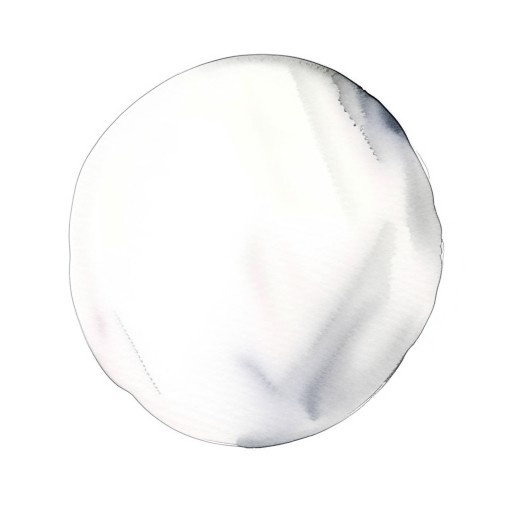
Watercolor Artistic Aesthetics
Concept
Prototype
Representative Exemplars
Graphic Style Style & Cultural Aesthetics
Water Reflection Reflectivity & Specular Light
Concept
Prototype
Representative Exemplars
Pink Color & Chromatic Qualities
Chiaroscuro General Lighting & Shading
Concept
Prototype
Representative Exemplars
Technical Drawing Form, Volume, Geometry
Flat Design Style & Cultural Aesthetics
Examples of SAE Concepts. Shown above are the concept name, category label, prototype visualization, and representative exemplars for concepts learned by LouvreSAE-20K. Navigate through the slides to see more examples spanning different artistic dimensions.
Concept Steering
Once we've identified interpretable concepts, we can steer them: increasing or decreasing their intensity to control specific artistic attributes in generated images. This steering is performed by scaling the activation of individual SAE features during image generation, allowing for fine-grained, interpretable control over style without any model fine-tuning.
Below we demonstrate concept steering with interactive sliders. For each concept, you can adjust the steering intensity (coefficient $\alpha$) and see how it affects the generated image. The prototype image shows the concept applied to a white sphere.
Painterliness
Artistic Aesthetics
Prototype
Result
α₁α₂α₃α₄
Aerial Perspective
Form, Volume, Geometry
Prototype
Result
α₁α₂α₃α₄
Water Reflection
Reflectivity & Specular Light
Prototype
Result
α₁α₂α₃α₄α₅
Faceted
Form, Volume, Geometry
Prototype
Result
α₁α₂α₃α₄α₅
Flat Design
Style & Cultural Aesthetics
Prototype
Result
α₁α₂α₃α₄α₅
Technical Drawing
Form, Volume, Geometry
Prototype
Result
α₁α₂α₃α₄α₅
Watercolor
Artistic Aesthetics
Prototype
Result
α₁α₂α₃α₄α₅
Pink
Color & Chromatic Qualities
Prototype
Result
α₁α₂α₃α₄α₅
Curls
Form, Volume, Geometry
Prototype
Result
α₁α₂α₃α₄α₅
Concept Steering Examples. Adjust the sliders to see how steering intensity (governed by the $\alpha$ coefficient) affects the generated images. The concept prototype and resulting steered image are shown side by side above each slider.
Packaging Concepts into Style Profiles
Through our operational definition of style as recurring activation patterns across semantically diverse images, we construct style profiles: compact representations that capture an artist's unique aesthetic. These profiles enable efficient style representation and style transfer. Given a content image and a reference style profile, LouvreSAE transfers the style without any model fine-tuning, additional training, or optimization.
Below we compare LouvreSAE against state-of-the-art baselines including B-LoRA, InstantStyle, and StyleShot. For each artist style, we show a reference sample, a content image, and the results from each method.
Style
Reference Sample
Content Image
B-LoRA
InstantStyle
StyleShot
LouvreSAE
Arthur Rackham
Style
Reference Sample
Content Image
B-LoRA
InstantStyle
StyleShot
LouvreSAE
Franz Marc
Style
Reference Sample
Content Image
B-LoRA
InstantStyle
StyleShot
LouvreSAE
Hiroshige
Style
Reference Sample
Content Image
B-LoRA
InstantStyle
StyleShot
LouvreSAE
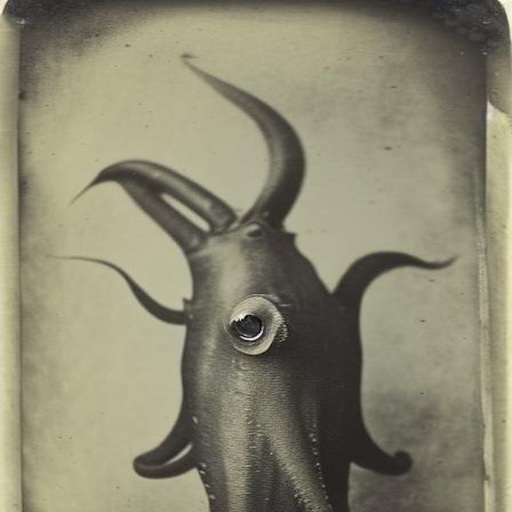
Theodor Severin Kittelsen
Qualitative Baseline Comparison. We compare LouvreSAE (Kandinsky 2.2 + LouvreSAE-20K) to B-LoRA, InstantStyle, and StyleShot. For each style, the content image is transferred using the reference sample shown. Navigate through the slides to see results across different artists.
Quantitative Results
We evaluate LouvreSAE against state-of-the-art baselines on the ArtBench10 dataset, measuring both style fidelity and content preservation. Our method achieves the best VGG Style Loss and competitive CLIP Score for style, while maintaining strong content preservation. Critically, LouvreSAE is dramatically faster: style extraction takes only 6 seconds (compared to 660 seconds for B-LoRA), and image generation is comparable to other methods.
Method
Backbone
VGG Loss: Style ↓
VGG Loss: Content ↓
LPIPS ↓
CLIP Score: Style ↑
CLIP Score: Content ↑
Style Extraction (s)
Image Gen. (s)
B-LoRA
SD XL
1.63×10⁻⁴
42.53
0.75
0.21
0.18
660
30
InstantStyle
SD XL
2.48×10⁻⁵
22.94
0.64
0.25
0.24
—
78
StyleShot
SD 1.5
3.74×10⁻⁵
29.17
0.71
0.25
0.20
—
60
LouvreSAE
Kand. 2.2
1.73×10⁻⁵
35.04
0.73
0.27
0.26
6
29
Quantitative Comparison with Baselines. LouvreSAE achieves the best style transfer performance (lowest VGG Style Loss, highest CLIP Score for style) while being dramatically faster. Style extraction assumes 40 training images. Runtimes measured on NVIDIA A100 SXM 40GB.
More Results & Discussion
LouvreSAE demonstrates that interpretable, efficient style transfer is achievable through careful decomposition of latent representations. Our operational definition of style—as recurring activation patterns across semantically diverse content—provides a principled foundation for understanding and manipulating artistic aesthetics in generative models.
Beyond the quantitative improvements, the interpretability of our approach offers unique advantages. Artists and researchers can inspect individual concepts, understand which stylistic elements are being transferred, and selectively enable or disable specific attributes. This level of control and transparency is difficult to achieve with end-to-end fine-tuning approaches.
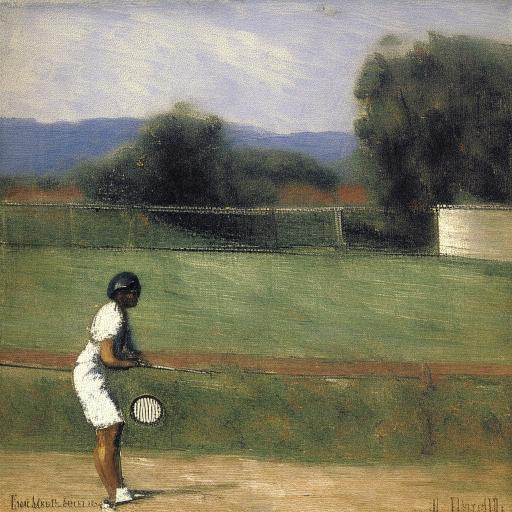
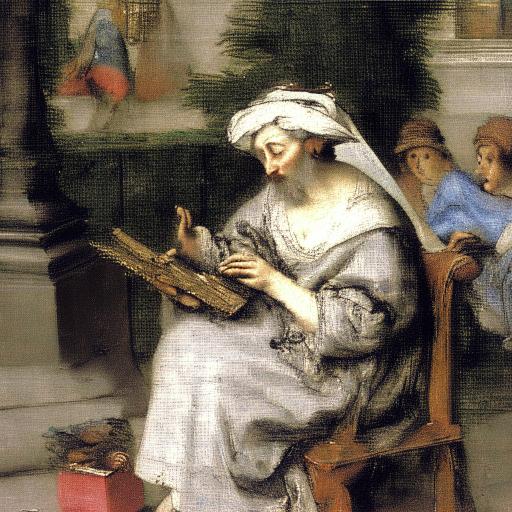
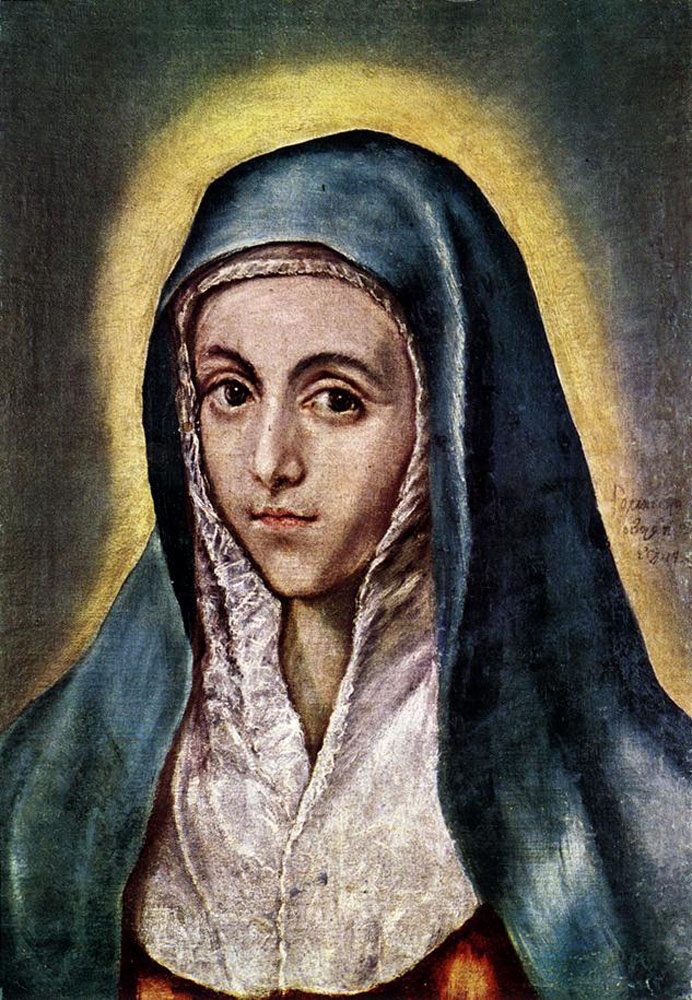
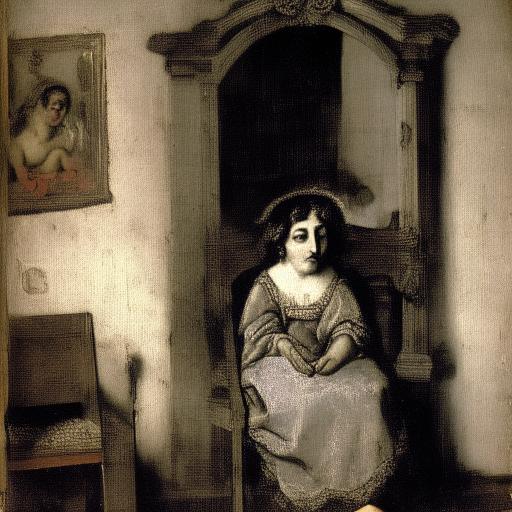
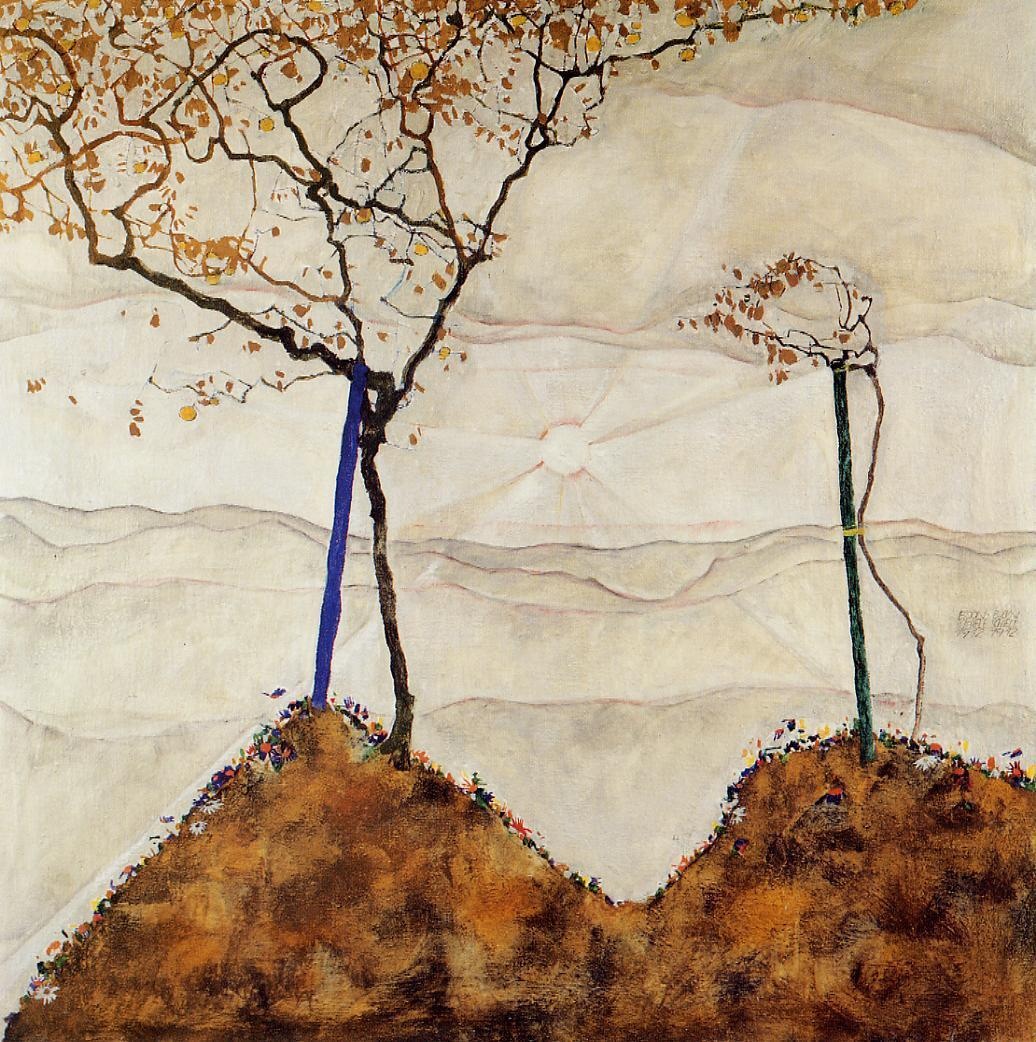
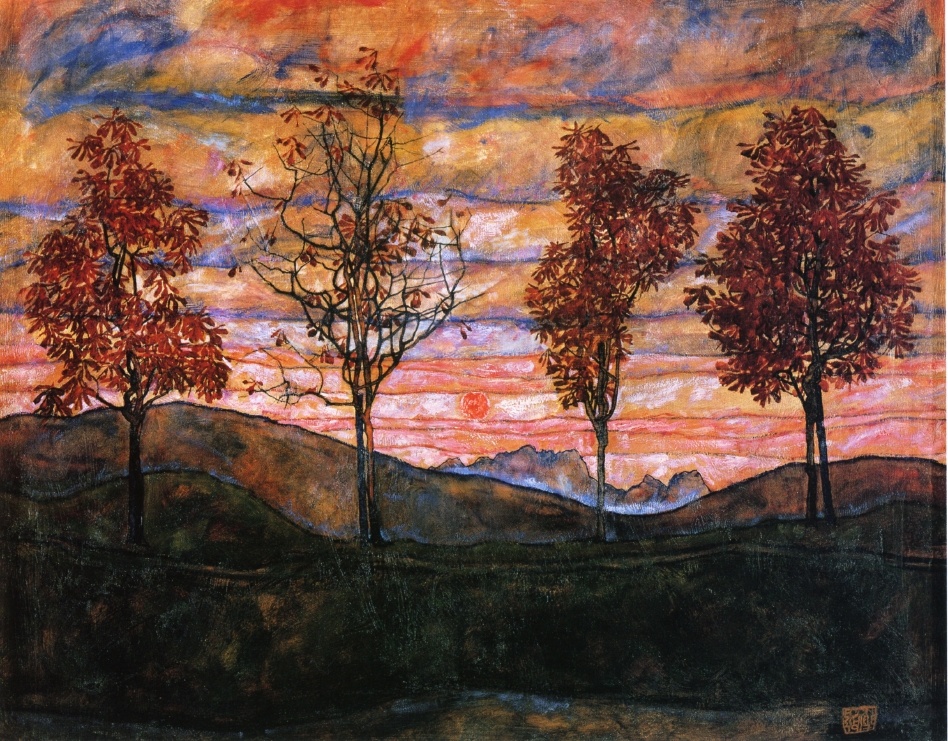
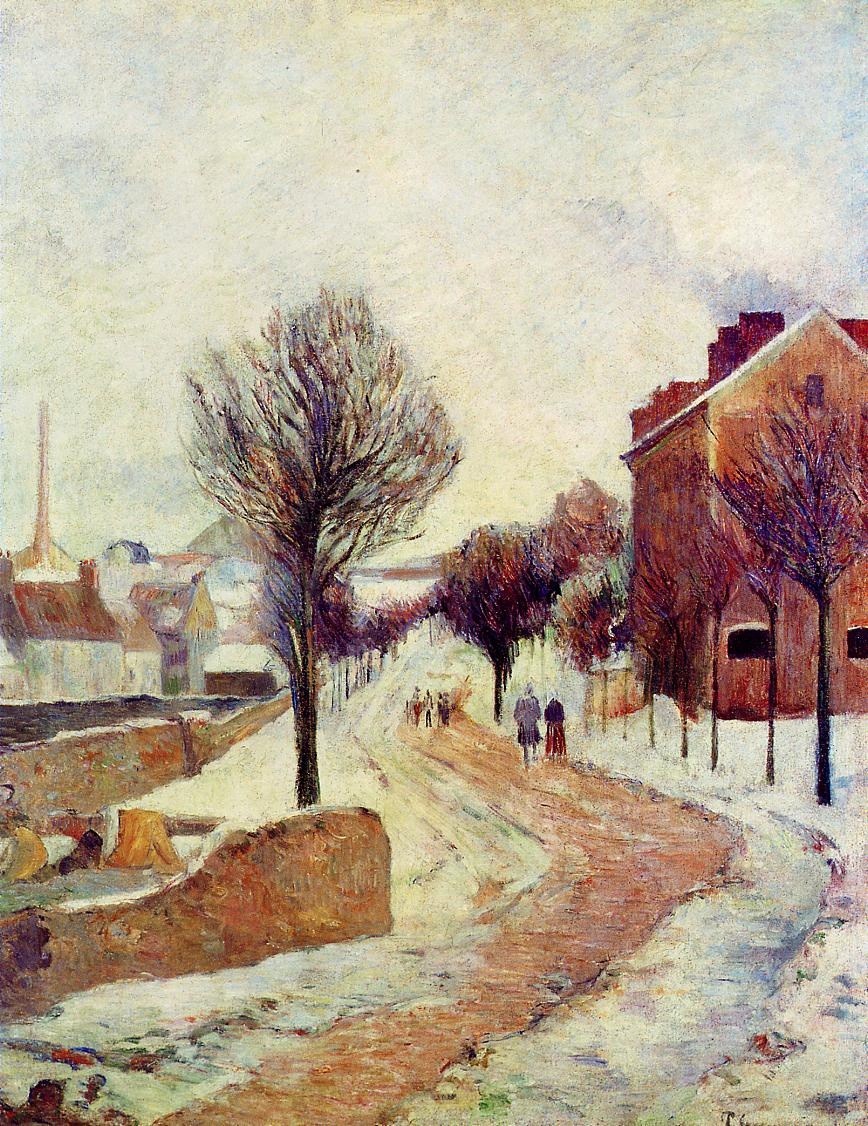
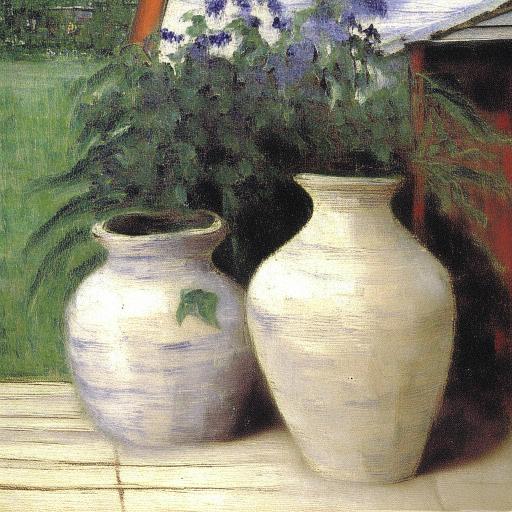
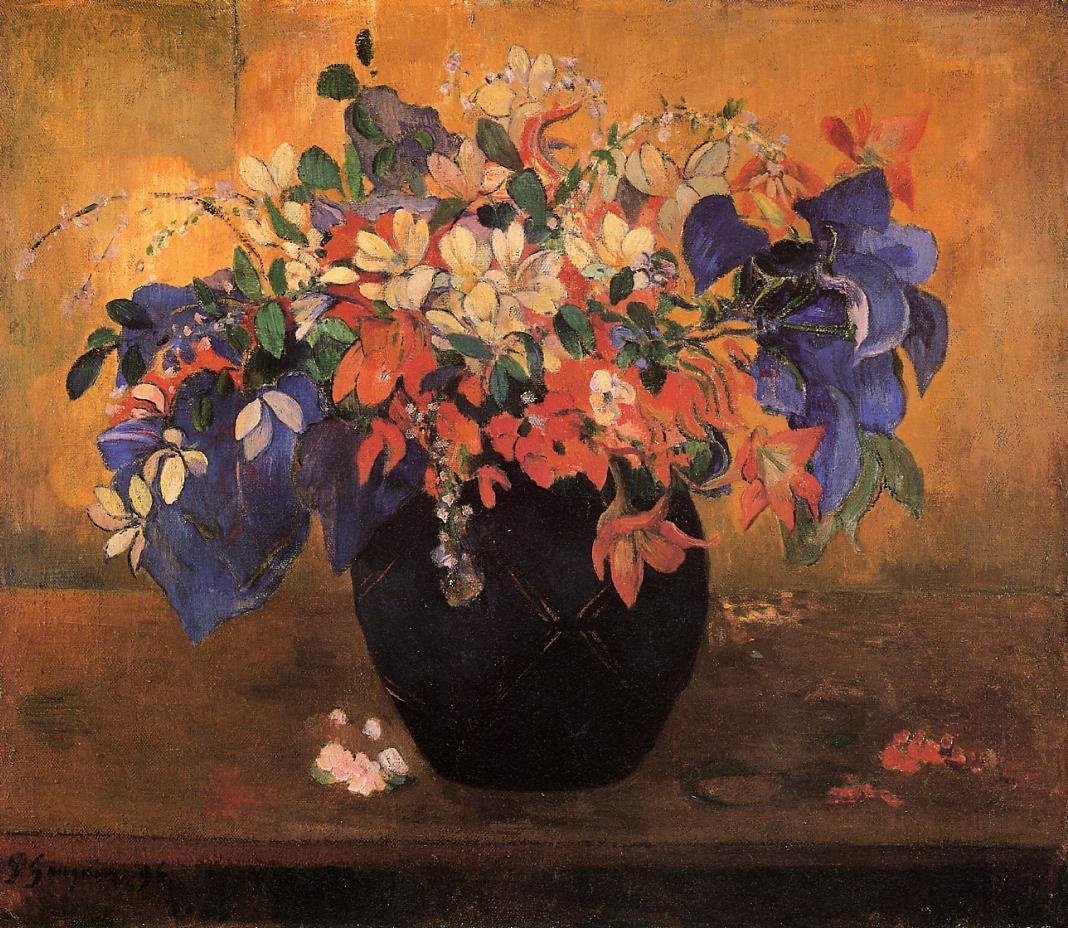
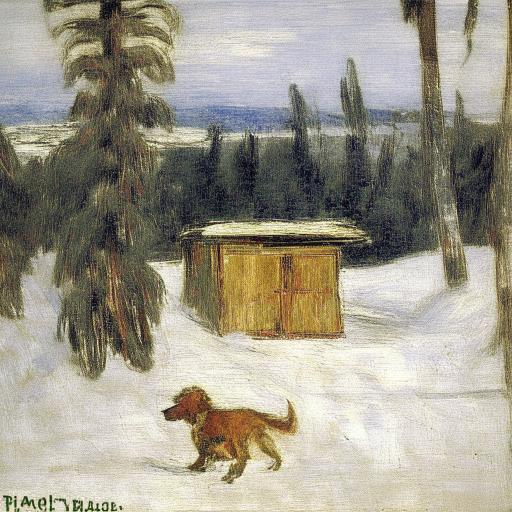
Below we show additional qualitative results across various artists, demonstrating the versatility and robustness of LouvreSAE across different artistic styles and content types.
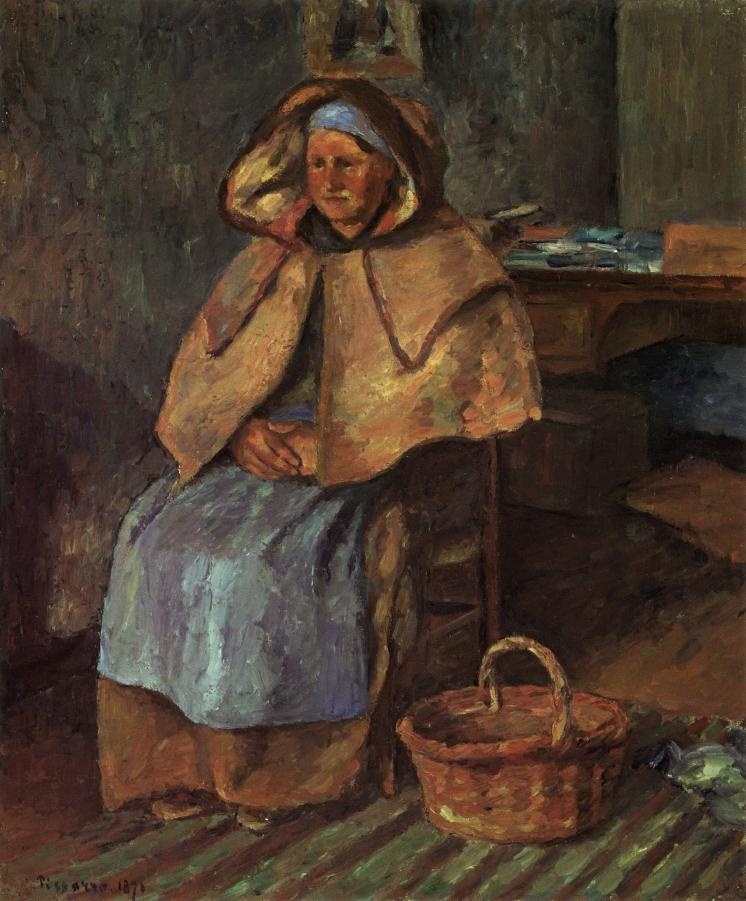
Camille Pissarro
Reference
Generated
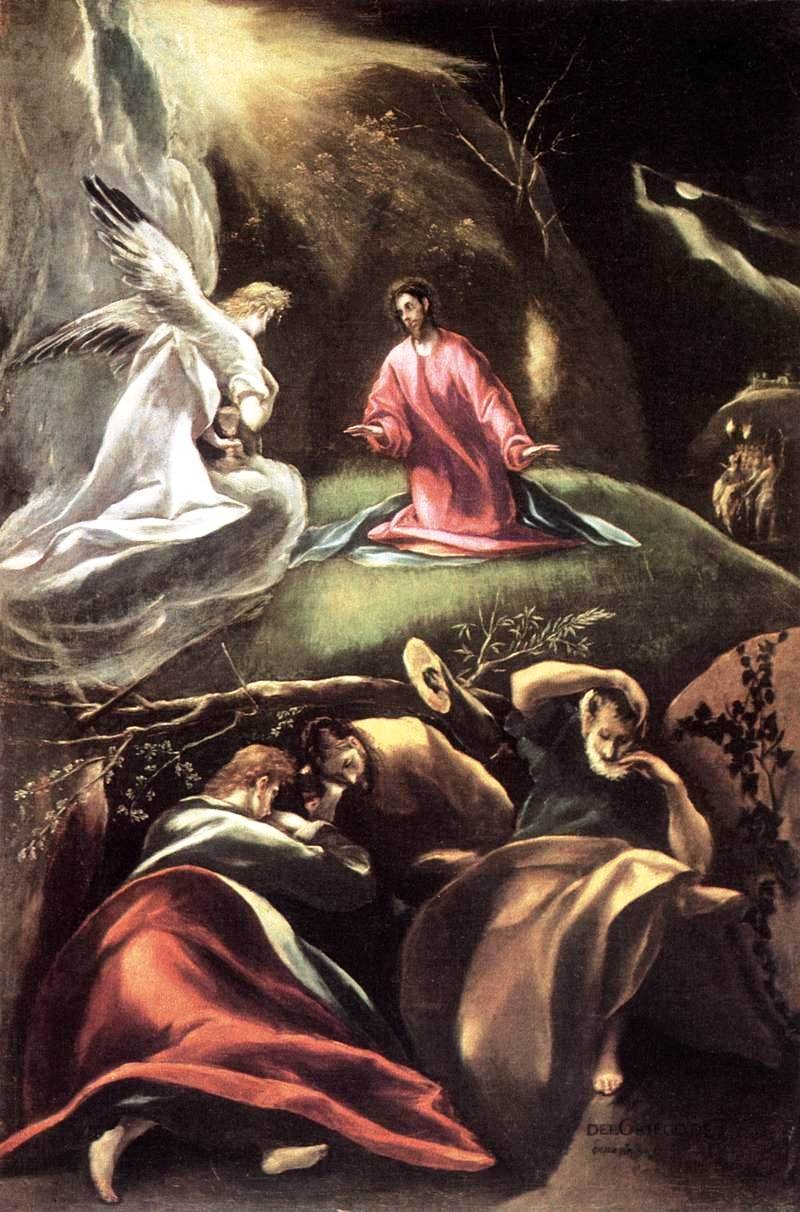
El Greco
Reference
Generated
Egon Schiele
Reference
Generated
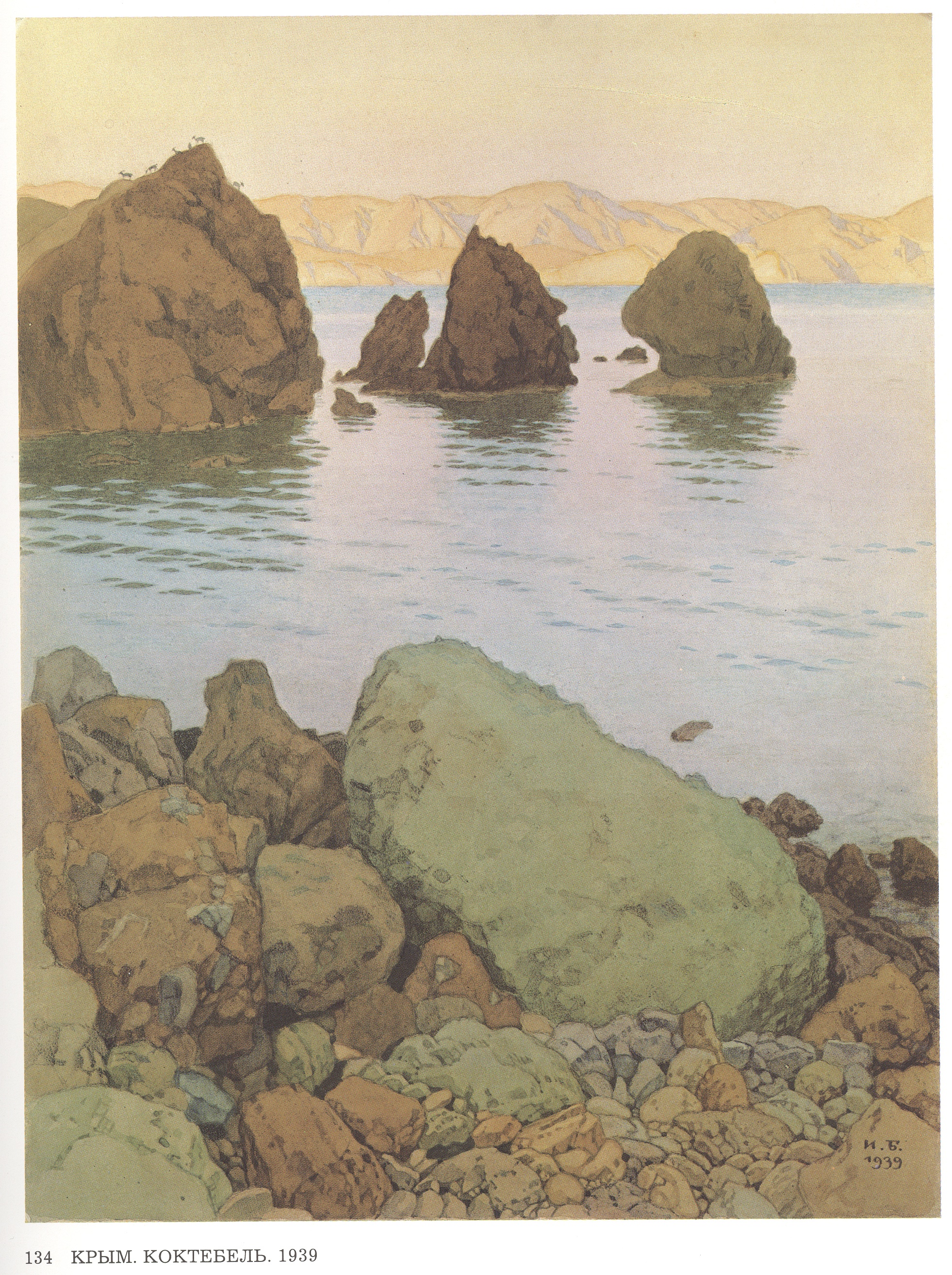
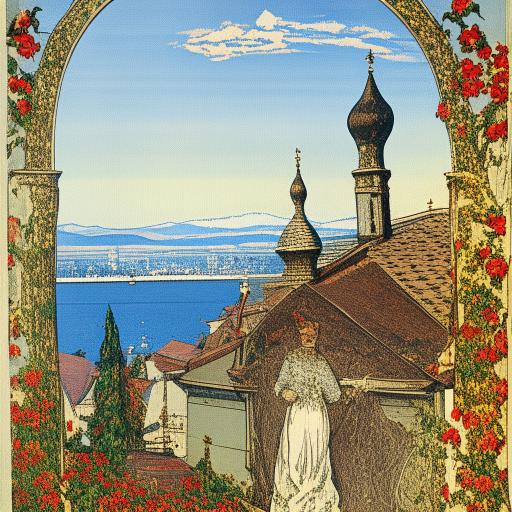
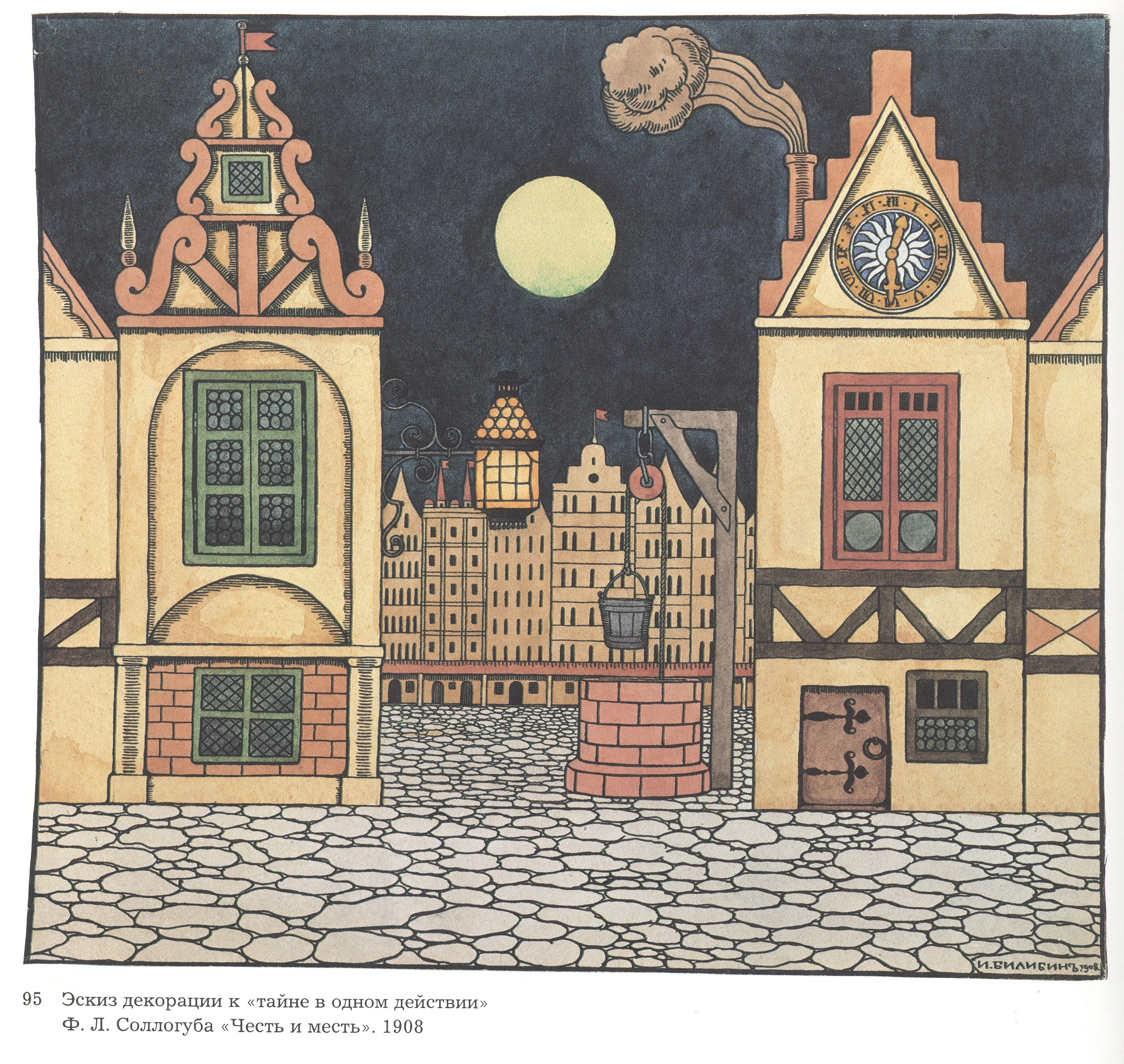
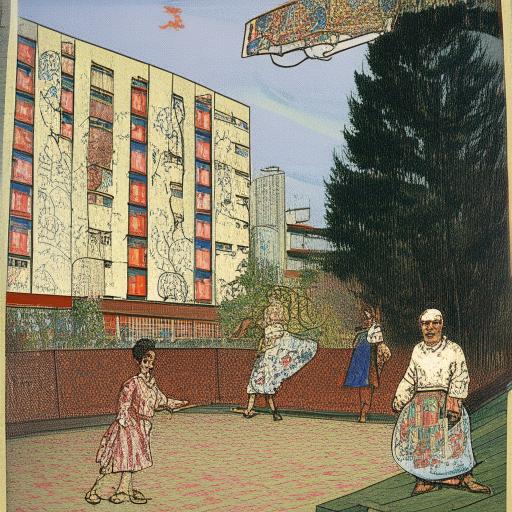
Ivan Bilibin
Reference
Generated
Paul Gauguin
Reference
Generated
Additional Qualitative Examples. Images generated using LouvreSAE (Kandinsky 2.2 + LouvreSAE-20K) across diverse artistic styles. For each artist, reference samples are shown alongside content images and their style-transferred results, demonstrating consistent quality and faithful style reproduction.
Future Directions
Several exciting directions remain for future work. First, extending our approach to other generative architectures (e.g., Stable Diffusion, DALL-E) could broaden its applicability. Second, developing user interfaces that allow artists to directly manipulate style profiles could enable new creative workflows. Third, investigating how style concepts compose and interact could lead to even finer-grained control. Finally, studying how our operational definition of style relates to perceptual and art historical theories could deepen our understanding of artistic representation in neural networks.
We believe LouvreSAE represents a step toward more interpretable, efficient, and controllable style transfer—one that respects both the technical constraints of modern AI systems and the nuanced, multifaceted nature of artistic style itself.
Citation
@article{panda2025louvresae,
    title        = {LouvreSAE: Sparse Autoencoders for Interpretable and Controllable Style Transfer},
    author       = {Panda, Raina and Fein, Daniel and Singhal, Arpita and Fiore, Mark and Agrawala, Maneesh and Bohacek, Matyas},
    journal      = {arXiv preprint arXiv:2512.18930},
    year         = {2025},
    archivePrefix= {arXiv},
    primaryClass = {cs.CV},
    doi          = {10.48550/arXiv.2512.18930},
    url          = {https://arxiv.org/abs/2512.18930}
  }
Acknowledgments
This work was supported by a Brown Institute Magic Grant. The authors thank Yael Vinker for helpful discussions.